

Spiritual Importance of Padagaya
The Ultimate Gateway to Ancestral Liberation and Peace
Dakshina Kashi: Pithapuram
Padagaya, located in the sacred town of Pithapuram, stands as one of the most revered Kshetras (holy places) in India. It is a sanctuary where devotion meets ancestral duty, drawing thousands of pilgrims seeking spiritual solace.
Known as the "Dakshina Kashi" (Varanasi of the South), performing rituals here is believed to yield merits equivalent to those performed in Gaya, Bihar. The spiritual vibrations of this land are said to pierce through the veils of the afterlife, delivering prayers directly to the Pitru Devatas.
The Legend of Gayasura
According to ancient Puranas, the powerful demon Gayasura performed intense penance and received a boon that his body would become the holiest of all entities. To stabilize the universe, the Holy Trinity performed a Yagna on his body.
When Gayasura's body was laid to rest, his head fell in Siro Gaya (Bihar), his navel in Nabhi Gaya (Odisha), and his feet rested in Pada Gaya (Pithapuram). Lord Vishnu's divine presence here makes it the ultimate destination for Pitru Moksha.

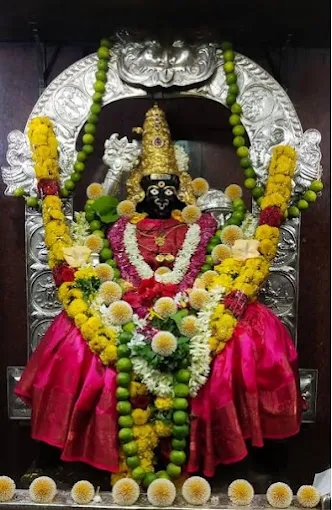
Shri Puruhutika Shaktipeeth
The Sacred 10th Shakti Peetha of Pithapuram
Pithapuram is home to the sacred Puruhutika Devi temple, one of the 18 Maha Shakti Peethas. According to ancient scriptures, when Lord Vishnu's Sudarshana Chakra dismembered the body of Goddess Sati, her left hand fell at this divine location in Pithapuram.
The presiding deity is Puruhutika Devi, and the Bhairava is Kukkuteswara. This makes Pithapuram not only a land of Pitru Moksha but also a powerful Shakti Kshetra, blessed by the divine feminine energy of the Goddess.

Sripada Srivallabha
The First Avatar of Lord Dattatreya in Kali Yuga
Sripada Srivallabha (1320–1351 CE) is revered as the first complete avatar of Lord Dattatreya in the Kali Yuga. Born in Pithapuram, Andhra Pradesh, to a devout Brahmin family, He exhibited divine powers from childhood. His life and miracles are chronicled in the sacred text 'Sripada Srivallabha Charitamrutam'. His birthplace in Pithapuram remains a major pilgrimage destination, attracting lakhs of devotees who seek His divine blessings.
Pithapuram in the Skanda Purana
The Bhima Kandam — 36 Sacred Shlokas on Pada Gaya
The sacred eminence of Pithapuram as the supreme destination for Pitru Moksha is not merely a matter of regional tradition. It is firmly established in the scriptural canon of Sanatana Dharma. The Skanda Purana — one of the eighteen Mahapuranas and the largest of all Puranic texts — contains an entire section dedicated to the glory of Pithapuram. This section, known as the Bhima Kandam, consists of 36 sacred shlokas that describe in precise Vedic detail why Pada Gaya (Pithapuram) is the holiest of all places for ancestral rites.
The Bhima Kandam derives its name from the sacred Bhima Kund — the divine sarovar (sacred tank) at Pithapuram associated with the footprints of Lord Vishnu. According to the text, it is here that Gayasura's feet were pressed into the earth by the weight of the sacred Yagna performed by the Holy Trinity. The Vishnu Pada at this location is considered even more potent than the famous Vishnu Pada at Gaya in Bihar, because at Pithapuram, the divine feet are said to be fully intact, whereas at Gaya the imprint is only partial.
The 36 shlokas of the Bhima Kandam enumerate specific spiritual benefits for devotees who perform Pinda Pradanam, Shraddha, and Tarpanam at Pada Gaya. They describe how offerings made here travel directly to the Pitru Loka because of the unique confluence of Vishnu Shakti, Shakti Peetha energy (from Puruhutika Devi), and the divine presence of Sripada Srivallabha — three cosmic forces rarely found at a single location anywhere in the sacred geography of India.
Vyasa Maharshi — the great compiler of the Vedas, Mahabharata, and Puranas — is said to have personally visited Pithapuram and meditated at the Pada Gaya Sarovar. The Skanda Purana records that it was Vyasa Maharshi himself who revealed to his disciples that performing Pinda Pradanam at Pada Gaya in Pithapuram grants liberation (moksha) to fourteen generations of ancestors simultaneously — seven generations above and seven below — a feat unmatched by any other Pitru Kshetra.
This unique scriptural endorsement by Vyasa Maharshi explains why Pithapuram has drawn pilgrims from across the Indian subcontinent for thousands of years. The town's other name, Dakshina Kashi (the Kashi of the South), reflects this ancient recognition. Just as Kashi (Varanasi) is considered the ultimate liberation kshetra for the dying, Pithapuram is considered the ultimate kshetra for the liberation of those who have already departed. Together, Gaya, Kashi, and Pithapuram form the sacred Pitru Mukti Triveni — the three-fold path to complete ancestral liberation.
For those who carry the weight of unfulfilled Pitru karma, the Bhima Kandam's message is one of hope: no matter how many generations have passed, no matter how imperfect previous rites may have been, the act of performing sincere Pinda Pradanam at Pada Gaya in Pithapuram — with the correct gotra, nakshatra, and Vedic procedure — has the power to grant peace to all departed souls and remove the accumulated karmic burden from the living family line.
Spiritual Benefits
The profound spiritual rewards of performing ancestral rites at Padagaya.
Ancestral Peace
Grants eternal peace and liberation to departed souls.
Karmic Cleansing
Clears past karmic debts and removes life obstacles.
Divine Protection
Invokes powerful blessings for the entire lineage.
Spiritual Growth
Elevates the spiritual consciousness of the performer.
Sacred Rituals
Essential ceremonies performed to honor and liberate ancestors.

Pinda Pradanam
The sacred offering of rice balls to ancestors, ensuring their souls attain peace and liberation in the afterlife.

Shraddha Karma
A deeply reverent ritual performed to pay homage to one's departed parents and forefathers.

Tarpanam
The holy offering of water mixed with sesame seeds to satisfy the thirst of ancestral spirits.
The Holy Trinity of Kshetras
In Hindu tradition, three locations hold supreme importance for ancestral rites, forming a divine trinity across the Indian subcontinent: Gaya (Bihar), Jajpur (Odisha), and Pithapuram (Andhra Pradesh).
While Gaya represents the head and Jajpur (Nabhi Gaya) the navel, Pithapuram represents the feet (Pada). Completing rituals at Padagaya is considered the ultimate culmination of one's duties to their ancestors, sealing their journey to Moksha and ensuring eternal blessings for the family.

Honor Your Ancestors
Take the sacred step towards fulfilling your spiritual duties. Book your ritual at Padagaya today and ensure eternal peace for your lineage.
Book Your Ritual